
Residential metal roofing has moved from a niche architectural choice to a mainstream roofing solution across the United States. Homeowners are increasingly drawn to metal roofs for their longevity, durability, and long-term value. While asphalt shingles often dominate residential neighborhoods, metal roofing systems quietly outperform them in lifespan, resilience, and total cost of ownership. Understanding how long a residential metal roof can last, and why, is essential when weighing roofing options for a home.
A metal roof is not just a single product. It is a category that includes various materials, profiles, coatings, and installation methods. Each of these factors plays a role in determining how long the roof will perform before needing replacement. In many cases, a well-installed metal roof can last two to three times longer than traditional roofing materials, making it one of the most durable residential roofing options available today.
What Is the Average Lifespan of a Residential Metal Roof?
On average, residential metal roofing systems last between 40 and 70 years, depending on the material used, environmental exposure, and maintenance practices. Some metal roofs installed decades ago are still performing well, often outlasting the homes beneath them.
Steel roofing, the most common type used in residential applications, typically lasts between 40 and 60 years. Aluminum roofs, which resist corrosion exceptionally well, often last 50 years or more, especially in coastal regions. Copper and zinc roofs are known for extreme longevity and can last 70 to 100 years when properly installed.
This lifespan stands in sharp contrast to asphalt shingles, which usually require replacement after 15 to 30 years. While the upfront cost of metal roofing is higher, the extended lifespan often results in lower lifetime costs when spread over decades of service.
Types of Metal Roofing Materials and Their Lifespan
Not all metal roofs are created equal. The type of metal used significantly influences how long the roof will last and how it will perform under different environmental conditions.
Steel roofing is the most widely used metal roofing material in residential construction. It is typically coated with zinc (galvanized) or a zinc-aluminum alloy (Galvalume) to prevent rust. When properly coated and installed, steel roofs deliver excellent durability and structural strength, especially in regions prone to snow, hail, or high winds.
Aluminum roofing is naturally corrosion-resistant, making it a preferred choice in coastal or humid environments. While aluminum is softer than steel, it does not rust, which allows it to maintain its integrity for decades with minimal degradation.
Copper roofing is considered a premium option and is often used for architectural accents or full roofing systems on historic or high-end homes. Copper develops a natural patina over time that protects the metal beneath, contributing to its exceptionally long lifespan.
Zinc roofing is less common in the United States but is widely used in Europe. Zinc roofs are self-healing, meaning scratches can repair themselves over time through oxidation. This unique property allows zinc roofs to last for generations.
How Roofing Profiles Affect Longevity
The shape and installation style of a metal roof also influence its lifespan. Standing seam metal roofs, which feature concealed fasteners and raised seams, are widely regarded as the most durable residential metal roofing system. By eliminating exposed screws, standing seam systems reduce the risk of leaks caused by fastener failure or thermal movement.
Corrugated and exposed-fastener metal roofs are more affordable but generally have a shorter lifespan. Exposed fasteners can loosen over time due to temperature changes, wind uplift, and weather exposure. While these roofs can still last several decades, they often require more maintenance to reach their full lifespan potential.
Interlocking metal shingles and tiles offer a balance between aesthetics and durability. These systems mimic the look of traditional shingles while providing the longevity benefits of metal.
The Role of Protective Coatings and Finishes
Modern metal roofing relies heavily on advanced coatings to protect the metal from corrosion, fading, and environmental damage. These coatings play a critical role in extending the roof’s lifespan.
Galvanized and Galvalume coatings protect steel from rust by sacrificing themselves before the steel corrodes. Paint finishes, often applied using high-performance systems such as Kynar or polyester coatings, add another layer of protection while preserving color and appearance. High-quality coatings can prevent chalking, fading, and surface degradation for decades. In many cases, the coating lifespan closely matches the structural lifespan of the roof itself.
Environmental Factors That Influence Metal Roof Longevity
Climate and location have a direct impact on how long a residential metal roof will last. Homes in mild, dry climates often experience the longest roof lifespans, while harsh environments may require additional considerations.
Coastal areas expose metal roofs to salt air, which can accelerate corrosion if improper materials are used. Aluminum and specially coated steel perform best in these conditions.
Regions with heavy snowfall benefit from metal roofing’s smooth surface, which sheds snow easily and reduces ice dam formation. This characteristic helps preserve the roof structure and prevents moisture-related damage. Areas prone to hail or high winds also favor metal roofing, as metal panels resist impact damage and offer superior wind uplift resistance when properly installed.
Installation Quality and Its Impact on Lifespan
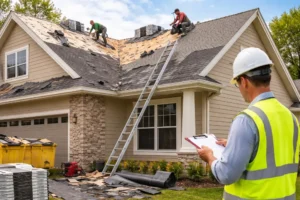
Even the highest-quality metal roofing material will fail prematurely if installed incorrectly. Installation quality is one of the most important factors influencing the lifespan of a residential metal roof.
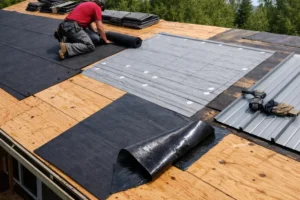
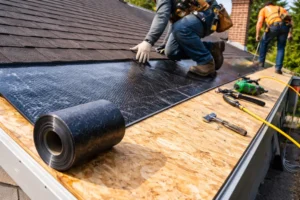
Proper underlayment, flashing, ventilation, and fastening methods ensure that the roof can expand and contract with temperature changes without compromising its integrity. Incorrect fastener placement, poor seam alignment, or inadequate flashing can lead to leaks and early failure. Experienced metal roofing installers understand the unique properties of metal, including thermal movement and water management. A well-installed metal roof often performs at the upper end of its expected lifespan range.
Maintenance Requirements for Metal Roofing
One of the advantages of residential metal roofing is its low maintenance requirements. Unlike asphalt shingles, metal does not rot, crack, or support algae growth.
Routine inspections every one to two years are usually sufficient to ensure long-term performance. These inspections typically involve checking fasteners, sealants, and flashing, as well as removing debris from valleys and gutters. Occasional cleaning may be needed in areas with heavy tree cover or pollution, but metal roofs generally require far less upkeep than other roofing materials. Addressing minor issues early helps preserve the roof’s full lifespan.
Can a Metal Roof Outlast the Home?
In many cases, yes. It is not uncommon for a metal roof to last longer than the home’s original structural components. Some homeowners install a metal roof knowing it may never need replacement during their lifetime. Metal roofs are often installed over existing shingles, reducing landfill waste and further extending the roof system’s service life. This practice, when allowed by local building codes, highlights the long-term durability of metal roofing systems.
Energy Efficiency and Its Relationship to Longevity
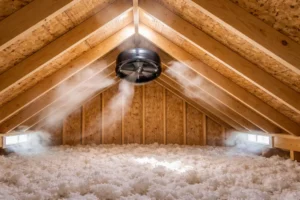
Metal roofing does more than protect a home from the elements. It also contributes to energy efficiency, which indirectly supports long-term performance. By reducing attic temperatures and thermal cycling, metal roofs experience less material fatigue over time. This reduction in stress helps preserve fasteners, coatings, and structural connections, contributing to a longer overall lifespan.
Comparing Metal Roofing Lifespan to Other Materials
When comparing residential roofing options, lifespan is one of the most compelling arguments in favor of metal roofing.
Asphalt shingles typically last 15 to 30 years and are vulnerable to wind, heat, and moisture damage. Wood shingles require regular maintenance and are susceptible to rot and fire. Clay and concrete tiles can last many decades but are heavy, brittle, and expensive to install. Metal roofing strikes a balance between longevity, weight, durability, and versatility, making it a practical long-term investment for many homeowners.
Is Residential Metal Roofing Worth It for Long-Term Homeowners?
For homeowners planning to stay in their home long term, metal roofing offers unmatched durability and peace of mind. The extended lifespan reduces the need for replacement, minimizes maintenance costs, and provides reliable protection for decades.
Even for those who may sell their home in the future, a metal roof can increase resale value and appeal to buyers seeking energy efficiency and low maintenance living. While the upfront cost may be higher, the long-term benefits often outweigh the initial investment, particularly when the roof lasts 40 to 70 years or more.
Final Thoughts on Residential Metal Roofing Lifespan
Residential metal roofing stands out as one of the longest-lasting roofing solutions available today. With lifespans ranging from several decades to over a century for premium materials, metal roofs provide exceptional durability, weather resistance, and long-term value.
The true lifespan of a metal roof depends on material selection, installation quality, environmental exposure, and basic maintenance. When these factors align, a metal roof can protect a home for generations. For homeowners seeking a roofing system that combines strength, longevity, and sustainability, residential metal roofing remains one of the most reliable choices on the market.
FAQs
Most residential metal roofs last between 40 and 70 years, depending on the material, installation quality, and local climate.
Yes, metal roofs usually last two to three times longer than asphalt shingles, which often need replacement after 15–30 years.
Copper and zinc roofs tend to last the longest, often 70–100 years when properly installed and maintained.
In many cases, yes. A well-installed metal roof can outlast the homeowner’s time in the house and may never need replacement.
Yes, coastal salt air, extreme heat, and heavy snowfall can impact lifespan, but choosing the right metal and coatings helps offset these effects.
No, metal roofs are low maintenance and usually only need occasional inspections and minor upkeep.
Modern metal roofs are coated to resist rust, and materials like aluminum naturally do not rust at all.
Yes, standing seam metal roofs generally last longer than exposed-fastener systems because they reduce leak risks.
In many cases, metal roofing can be installed over existing shingles, which can extend overall roof life and reduce waste.
For long-term homeowners, the extended lifespan and reduced replacement costs often make metal roofing a cost-effective investment.