
Storms are part of life in Texas. From intense hailstorms and straight-line winds to heavy rain and the occasional hurricane-strength system, roofing systems take a beating year after year. When a storm passes and you notice missing shingles, dents, leaks, or water stains inside your home, the next question is almost always the same: Will my insurance cover this?
Insurance coverage for storm-damaged roofs can feel confusing, frustrating, and slow especially when you’re dealing with a leak or visible damage. Understanding how roof insurance claims work, what is typically covered, what can cause a claim to be denied, and how to protect your interests can make a major difference in the outcome. This guide breaks down insurance coverage for storm-damaged roofs in clear, practical terms, with a focus on what Texas homeowners commonly face after severe weather.
Why Roof Damage Is a Major Insurance Issue
Your roof is your home’s first line of defense. When it fails, the risk extends far beyond shingles. Water intrusion can damage insulation, drywall, electrical systems, flooring, and personal belongings. Because roof failure often leads to secondary damage, insurers treat roof claims seriously but they also scrutinize them closely.
Storm-related roof claims are among the most common homeowner insurance claims in Texas. According to the Federal Emergency Management Agency (FEMA), severe weather events are one of the leading causes of residential property damage in the United States, often resulting in costly repairs and insurance claims.
At the same time, roof claims are also some of the most disputed. Insurance companies must determine whether damage was truly caused by a specific storm event or by age, wear, or poor maintenance.
Types of Storm Damage That Are Commonly Covered
Most standard homeowner insurance policies cover sudden and accidental damage caused by storms. Coverage depends on the policy language, but these are the most commonly covered storm-related roof issues.
Hail Damage
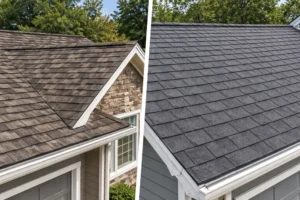
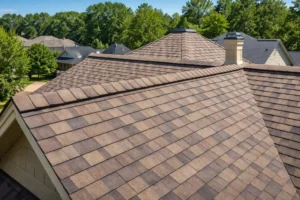
Hail is one of the leading causes of roof insurance claims in Texas. Damage can include bruised or fractured asphalt shingles, granule loss exposing the asphalt mat, cracked tiles, dented metal panels, or punctures in softer roofing materials. Hail damage is often not obvious from the ground, yet it can significantly shorten the lifespan of a roof. Insurance companies typically rely on physical evidence consistent with the size, density, and direction of hail recorded during the storm.
Wind Damage
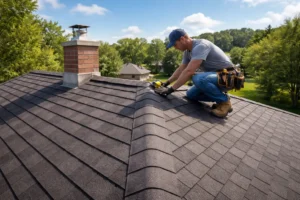
High winds can lift or tear off shingles, crease shingles along adhesive lines, damage ridge caps, flashing, and vents, and expose underlayment and decking. Wind damage is frequently covered when it is sudden and clearly storm-related. Gradual lifting due to aging or poor installation may not qualify.
Wind-Driven Rain
If wind forces rain beneath shingles or flashing and causes leaks, coverage may apply. The key factor is that the water intrusion must result from storm-related damage rather than long-term roof deterioration.
Debris Impact
Falling tree limbs or wind-blown debris striking the roof are usually covered events, even when the damage is localized.
What Roof Damage Is Often Not Covered
Insurance does not function as a maintenance plan. Many roof claims are denied because the damage does not meet policy standards.
Wear and tear is one of the most common exclusions. Curling shingles, widespread granule loss, brittle roofing materials, and slow leaks caused by aging are typically excluded from coverage. Poor maintenance can also lead to claim denials. If a roof has long-standing leaks, rotting decking, rusted flashing, or missing shingles that were never repaired, an insurer may argue that the storm merely exposed an existing problem rather than caused new damage.
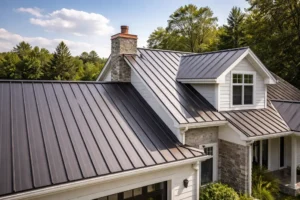
Improper installation is another frequent issue. Roofing problems caused by faulty workmanship or non-compliant installation methods are generally excluded, even if a storm occurs later. Some policies also exclude cosmetic damage, particularly on metal roofing systems, when dents do not affect the roof’s ability to shed water.
Actual Cash Value vs. Replacement Cost Coverage
How your policy pays out a roof claim matters just as much as whether it is approved. Actual cash value policies account for depreciation based on the roof’s age and condition. Older roofs receive smaller payouts, often leaving homeowners responsible for a large portion of the replacement cost.
Replacement cost value policies, by contrast, are designed to cover the cost of replacing the roof with similar materials, minus the deductible. These policies often release funds in stages, with the remaining balance paid once repairs are completed and documented. In Texas, many insurers have shifted older roofs to actual cash value coverage due to repeated storm losses. Reviewing this detail before filing a claim is critical.
Deductibles and Storm Damage Claims
Texas homeowners commonly have percentage-based deductibles for wind and hail damage. Instead of a flat dollar amount, the deductible is calculated as a percentage of the home’s insured value. This structure can result in deductibles that reach several thousand dollars, meaning smaller repairs may not justify filing a claim. Understanding your deductible ahead of time helps you make informed decisions after a storm.
The Roof Insurance Claim Process
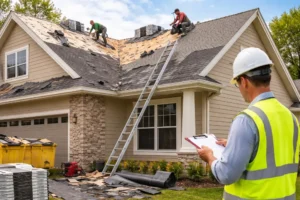
After a storm, homeowners should first look for visible signs of damage such as missing shingles, dents in gutters or vents, water stains inside the home, or debris on the roof. Safety should always come first, and climbing onto a damaged roof is not recommended. Documenting damage with photos and videos is essential. Promptly notifying the insurance company is equally important, as delays can raise questions about whether damage worsened due to neglect.
Most policies require homeowners to take reasonable steps to prevent further damage, such as temporary tarping. These emergency measures are typically reimbursable if documented properly. An insurance adjuster will then inspect the property, assess damage, and compare findings with storm data before determining coverage eligibility.
Why Some Roof Claims Are Underpaid
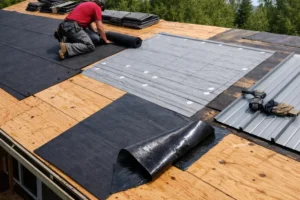
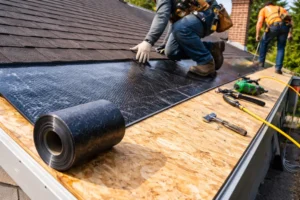
Even approved claims may not fully account for the true cost of repairs. Missing line items, underestimated labor costs, excluded components such as flashing or underlayment, and overlooked code upgrades are common issues.
Texas building codes and manufacturer requirements often necessitate additional work beyond what is listed in an initial insurance estimate.
Roof Age, Codes, and Coverage Limits
Roof age plays a major role in claim outcomes, but it does not automatically disqualify coverage. Legitimate storm damage may still be covered even on older roofs, though depreciation may reduce payouts.
Code upgrades can also affect costs. If repairs must meet updated building codes, coverage depends on whether the policy includes ordinance or law coverage. Without it, homeowners may pay those upgrade costs out of pocket.
Avoiding Common Post-Storm Mistakes
Filing a claim without verifying damage, missing deadlines, accepting the first settlement without review, failing to document temporary repairs, and ignoring interior signs of water damage are among the most costly mistakes homeowners make. Insurance claims involve financial and legal considerations, not just repairs.
Final Thoughts
Insurance coverage for storm-damaged roofs is not guaranteed, but it is available when damage is sudden, well-documented, and consistent with policy terms. Texas homeowners face unique challenges due to frequent severe weather, evolving insurance practices, and high deductibles.
By understanding what is covered, how claims are evaluated, and how to prepare before the next storm, homeowners can protect their investment and navigate the insurance process with greater confidence.
FAQs
Yes, most policies cover sudden damage caused by hail, wind, or debris, as long as it isn’t due to wear and tear.
Storm damage is usually sudden and localized, while aging shows widespread deterioration over time.
Hail damage is commonly covered, but coverage depends on policy terms and whether damage is clearly documented.
Full replacement may be covered if damage affects enough of the roof to justify replacement under policy guidelines.
It pays the depreciated value of your roof, meaning older roofs receive smaller payouts.
Deadlines vary by policy, but claims should be filed as soon as possible to avoid denial.
Only leaks caused by sudden storm damage are typically covered, not leaks from long-term neglect.
Additional documentation or a supplemental claim may be submitted if more damage is discovered.
Only if your policy includes ordinance or law coverage; otherwise, upgrades may be out-of-pocket.
Temporary emergency repairs are recommended to prevent further damage, but permanent repairs should wait until inspection.