
Replacing a roof is one of the most significant investments a homeowner can make. It protects the structure of the house, affects energy efficiency, and plays a major role in resale value. For homeowners with a 1,500 square foot house, understanding what goes into pricing can help avoid budget surprises and poor contractor decisions.
A roof is more than a surface covering. It is a system made up of structural components, protective layers, and materials designed to manage water, heat, and weather exposure. A general overview of how roofs function as building systems can be found on Wikipedia’s roofing resource, which explains how different roof types and materials serve structural and environmental purposes.
While many people expect a simple price per square foot, roofing costs are influenced by a wide range of factors including materials, labor, roof design, and location.
Average Roof Replacement Costs for a 1,500 Square Foot Home
For most homeowners, the total cost to replace a roof on a 1,500 square foot house typically ranges between $7,000 and $12,000 when using standard asphalt shingles. This estimate includes materials, labor, removal of the old roof, and basic installation components.
However, pricing varies widely depending on the roofing system selected and the complexity of the job. Homes with simple layouts may stay closer to the lower end, while more complex structures quickly rise in price due to increased surface area and labor.
Understanding Roofing Measurements and Surface Area
One of the most common pricing misunderstandings comes from confusing house size with roof size. Roofing contractors calculate costs based on roof surface area, not interior square footage. A roof is measured in “squares,” with one square equaling 100 square feet.
Roof surface area increases due to:
- Steep slopes
- Multiple roof planes
- Dormers and valleys
- Overhangs and architectural features
This is why the impact of roof design complexity on cost can be significant. A 1,500 square foot house may have 1,900 to 2,200 square feet of actual roof area, directly affecting material and labor requirements.
Roofing Material Options and Cost Differences
Asphalt Shingles
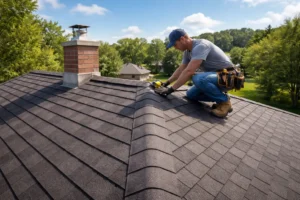
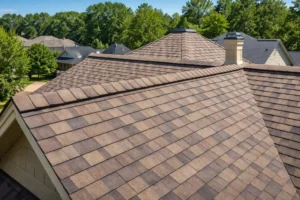
Asphalt shingles remain the most widely used roofing material in the U.S. because of affordability and availability. Many homeowners research the cost of asphalt shingles per square before committing to a replacement project.
Asphalt shingles are lightweight, easy to install, and compatible with most residential structures, making them a default option for many roofing contractors.
Architectural Shingles
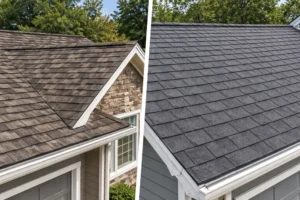
When comparing architectural shingle vs asphalt shingles, architectural shingles offer thicker construction, layered designs, and improved wind resistance. These features increase durability and visual appeal but also raise material and labor costs slightly.
Metal Roofing
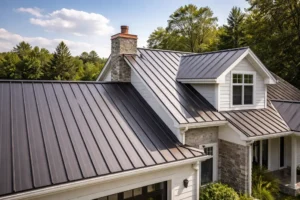
Metal roofing is often chosen for longevity and performance. The extended residential metal roofing lifespan makes it appealing to homeowners planning to stay in their homes long term.
Metal roofs can also reduce cooling loads by reflecting sunlight. The U.S. Department of Energy explains how reflective roofing materials contribute to lower energy use and improved indoor comfort through cool roof principles.
Tile, Wood, and Specialty Roofs
Tile, wood shake, and slate roofs are premium systems. Their weight and installation complexity increase labor requirements, and some homes need structural reinforcement before installation.
Labor Costs and Regional Pricing Differences
Labor accounts for a large portion of roof replacement expenses. Homeowners are often surprised by how much average roofing labor costs by state vary due to regional wages, licensing requirements, and insurance premiums.
Labor costs increase when:
- The roof pitch is steep
- The home has multiple stories
- Access is limited
- Safety equipment is required
Understanding how roof slope affects installation time helps explain why steep roofs command higher labor pricing.
Roof Tear-Off and Disposal Expenses
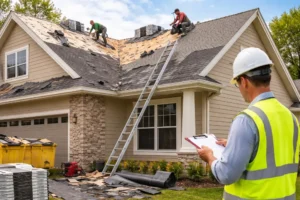
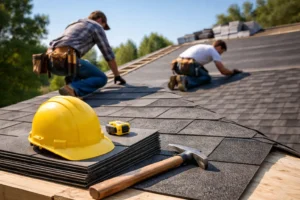
Removing the existing roof is typically required before installing a new one. Homeowners often underestimate roof tear-off and disposal fees, which cover labor, equipment, and landfill costs.
Additional expenses apply when:
- There are multiple roof layers
- Heavy materials like tile or slate must be removed
In these cases, multi-layer roof removal pricing can significantly increase the overall project cost.
Decking Repairs and Structural Issues
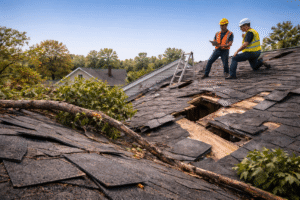
Once the old roof is removed, contractors inspect the decking underneath. Common signs of roof decking water damage include soft spots, sagging areas, and dark staining.
When damage is found, plywood roof decking repair cost is added to the estimate. Addressing these issues during replacement prevents leaks and extends the life of the new roof.
Underlayment, Flashing, and Protective Layers
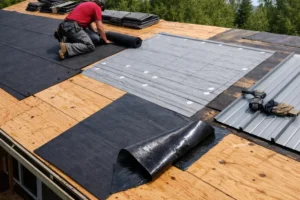
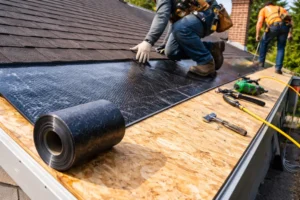
Beyond visible materials, several hidden components are essential to roof performance. Understanding roofing underlayment material types helps homeowners see why these layers matter for moisture protection.
Other critical elements include:
- Ice and water barriers
- Vent pipe flashings
- Chimney and wall flashing
The ice and water shield installation cost is especially relevant in regions prone to heavy rain or freezing conditions, while roofing flashing replacement cost is a common part of full roof replacements.
Ventilation and Energy Efficiency Considerations
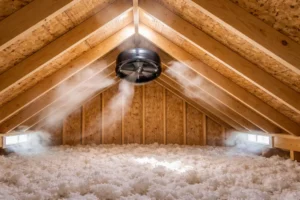
Proper airflow reduces heat buildup and moisture accumulation. The attic ventilation upgrade benefits include longer roof life, improved comfort, and lower cooling costs.
Energy efficiency is closely tied to roofing design, and reflective materials discussed by the U.S. Department of Energy can further enhance performance when paired with proper ventilation.
Permits, Codes, and Local Regulations
Most local governments require permits before replacing a roof. Roof replacement permit requirements vary by jurisdiction and may include inspections to ensure compliance with building codes.
Failing to obtain permits can lead to fines, insurance complications, and resale issues.
Insurance and Storm Damage Considerations
Many homeowners ask about insurance coverage for storm damaged roofs. Policies may cover replacement when damage is caused by wind, hail, or falling debris, but they typically exclude wear from age.
Documentation and prompt inspections improve the likelihood of claim approval.
Long-Term Value and Return on Investment
Roof replacement is both a maintenance task and a financial decision. The roof replacement return on investment depends on material choice, regional real estate conditions, and overall home value.
High-quality roofs can also improve buyer confidence. Reviewing residential roofing warranty coverage helps homeowners understand long-term protection for materials and workmanship.
How Location Impacts Roofing Costs
Climate, labor availability, and material transport all influence pricing. These factors explain regional roofing material price differences, with coastal and urban markets often costing more than inland or rural areas.
Getting Accurate and Reliable Estimates
To avoid surprises, homeowners should obtain multiple quotes and review details carefully. Understanding steep roof pitch labor pricing helps explain differences between estimates.
A proper estimate should include:
- Materials
- Labor
- Tear-off and disposal
- Repairs and upgrades
- Warranties
Final Cost Expectations for Homeowners
For most homeowners, replacing the roof on a 1,500 square foot house realistically costs between $8,000 and $12,000 for standard materials. Costs rise with premium materials, structural repairs, and complex roof designs.
By understanding how materials, labor, permits, and protective systems work together, homeowners can make informed decisions and protect their property for decades.
FAQs
Most homeowners spend between $8,000 and $12,000 for a standard asphalt shingle roof, depending on labor, materials, and location.
No, roof surface area is usually larger than interior square footage due to slope, overhangs, and roof design.
Asphalt shingles are generally the most affordable and commonly used roofing material for residential homes.
Most roof replacements on a 1,500 square foot home take one to three days, depending on complexity and weather conditions.
Yes, professional estimates typically include labor, materials, tear-off, and basic installation costs.
Yes, unexpected issues such as deck rot or structural damage can increase the final cost.
In most areas, a permit is required and must be obtained before work begins to meet local building codes.
Insurance may cover roof replacement if damage is caused by a covered event like storms or hail, but not normal wear and tear.
Installing over an existing roof may be cheaper initially but is often discouraged due to code restrictions and long-term risks.
Most asphalt shingle roofs last 20–30 years, while metal, tile, and slate roofs can last significantly longer.