
Architectural shingles and traditional asphalt shingles are often talked about like they’re two completely different roofing materials. In reality, both are asphalt-based shingles, but they’re built differently, look different on the roof, and perform differently over time. If you’re replacing a roof or comparing quotes, the choice usually comes down to budget, how long you plan to stay in the home, the style you want, and how much weather your roof has to handle. Understanding what separates architectural shingles from standard asphalt (often called 3-tab shingles) helps you spend money where it actually matters.
As explained in Wikipedia’s overview of asphalt shingles, these roofing products rely on fiberglass or organic mats coated with asphalt and mineral granules to provide weather resistance and UV protection. This guide breaks down the real differences construction, durability, wind resistance, lifespan, appearance, cost, and best-use scenarios so you can confidently choose the right shingle type for your home.
What Are Traditional Asphalt Shingles?
Traditional asphalt shingles are most commonly “3-tab shingles.” The name comes from the design: each shingle strip is cut into three uniform tabs that create a flat, repeating pattern on the roof. They’re made with a fiberglass mat, asphalt coating, and protective mineral granules.
The biggest advantage of 3-tab shingles is affordability. They are widely available and easy to install, making them a popular choice for budget-focused roofing projects. However, their thinner construction means they typically have a shorter lifespan and lower wind resistance compared to architectural shingles.
What Are Architectural Shingles?
Architectural shingles are also asphalt-based, but they feature a laminated design made from multiple bonded layers. This construction creates a thicker, more dimensional appearance that can resemble wood shakes or slate roofing.
Because of their added thickness and weight, architectural shingles generally provide better durability, improved wind resistance, and a longer service life. These benefits have made them the most commonly installed residential shingle type in many parts of the United States.
Core Differences at a Glance
Traditional asphalt (3-tab) shingles are thinner, lighter, and flatter in appearance, with lower upfront costs and shorter expected lifespans.
Architectural shingles are thicker, heavier, and visually dimensional, with higher upfront costs but longer lifespan and improved weather resistance.
Appearance and Curb Appeal
3-tab shingles create a uniform, flat look that can appear simple or outdated on larger or newer homes. While functional, they do little to enhance curb appeal.
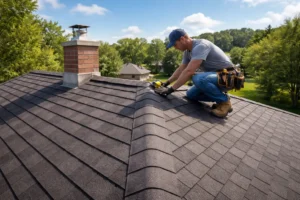
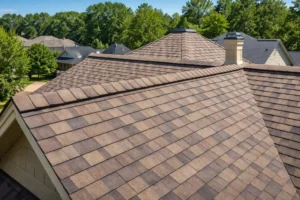
Architectural shingles add depth and texture through layered construction, creating shadow lines that enhance the roof’s appearance. This dimensional look often improves resale appeal and aligns better with modern home design trends.
Material Thickness and Weight
Thickness directly impacts performance.
3-tab shingles are lightweight and flexible, which makes them easier to install but more vulnerable to tearing and wind uplift over time. Architectural shingles are heavier and more rigid. This added mass helps them resist wind damage and reduces wear caused by temperature fluctuations and prolonged sun exposure.
Durability and Lifespan
Actual roof lifespan depends on climate, attic ventilation, and installation quality, but general expectations apply.
3-tab shingles commonly last 15 to 25 years.
Architectural shingles typically last 20 to 30 years or longer under proper conditions. Despite “lifetime” warranty marketing, real-world durability depends far more on installation and ventilation than warranty language.
Wind Resistance and Storm Performance
Wind resistance is a major differentiator.
Most 3-tab shingles carry wind ratings around 60 miles per hour. As they age, their sealant strips weaken, increasing the risk of blow-offs. Architectural shingles are often rated for 110 to 130 miles per hour when installed according to manufacturer specifications, making them better suited for storm-prone regions.
Impact Resistance and Hail Performance
Architectural shingles generally perform better during hail events due to increased thickness, especially when they carry Class 3 or Class 4 impact ratings. If hail is common in your area, selecting an impact-rated shingle matters more than choosing between 3-tab and architectural alone.
Energy Efficiency and Heat Performance
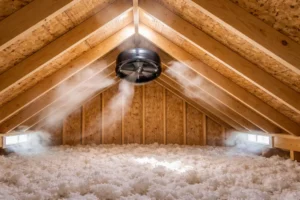
Energy efficiency depends more on color choice and attic ventilation than shingle design.
Both shingle types are available in reflective “cool roof” options. According to the U.S. Department of Energy, reflective roofing materials can help reduce roof surface temperatures and improve overall energy performance when paired with proper insulation and ventilation. Architectural shingles may provide slight thermal benefits due to added thickness, but ventilation remains the most critical factor.
dInstallation Differences and Workmanship Sensitivity
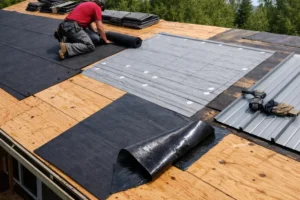
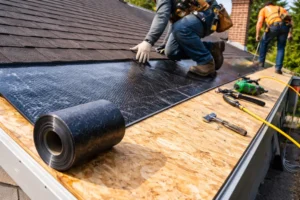
3-tab shingles are simpler to align but still require correct nailing, underlayment, and flashing.
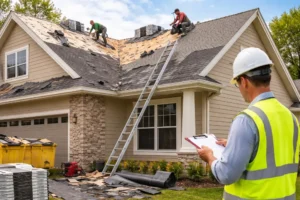
Architectural shingles demand more precise layout because their dimensional design makes mistakes easier to spot. Proper fastening and ventilation are essential to achieve advertised wind ratings. In both cases, workmanship often matters more than the shingle type itself.
Cost Comparison and Long-Term Value
3-tab shingles have lower upfront costs and may appeal to homeowners with strict budgets.
Architectural shingles cost more initially but often provide better long-term value through extended lifespan, fewer repairs, and improved resale perception. When replacement timing and future labor costs are considered, architectural shingles frequently prove more cost-effective over time.
Resale Value and Buyer Perception
Homebuyers may not know roofing terminology, but they notice quality and appearance.
Architectural shingles tend to signal a newer, better-maintained roof, while 3-tab shingles can make a home feel dated in neighborhoods where dimensional roofs are the norm.
Noise and Interior Comfort
Roof noise is influenced more by insulation, decking, and attic design than shingle type. Architectural shingles may slightly dampen sound due to added mass, but the difference is usually minimal.
Maintenance and Repair Considerations
Both shingle types can be repaired, but architectural shingles often hide minor repairs better because of their varied patterns. Keeping leftover shingles from installation helps ensure color matching for future repairs.
Which One Should You Choose?
Architectural shingles are generally the better choice for homeowners seeking durability, performance, and long-term value.
3-tab shingles remain a practical option for short-term ownership, mild climates, or budget-limited projects.
Questions to Ask Your Roofer Before Deciding
Ask about the exact product line, wind rating, nailing requirements, ventilation upgrades, underlayment, flashing replacement, and warranty coverage. These details can significantly affect roof performance.
Final Thoughts
Architectural shingles and traditional asphalt shingles both serve legitimate purposes, but they are not equal in performance or appearance. Architectural shingles provide superior durability, stronger wind resistance, and better curb appeal, making them the preferred option for most modern homes. Traditional 3-tab shingles still offer a functional, affordable solution in the right circumstances, but for long-term value and protection, architectural shingles are often the stronger investment.
FAQs
Architectural shingles are thicker and layered for durability and appearance, while standard asphalt shingles are thinner and flat.
Yes, architectural shingles are also called dimensional or laminated shingles.
In most cases, architectural shingles last longer due to their thicker construction and better weather resistance.
Yes, they typically cost more upfront, but they often provide better long-term value.
Architectural shingles are better suited for high-wind areas because they usually have higher wind ratings.
They can improve curb appeal and buyer perception, which may positively influence resale value.
Yes, both architectural and traditional 3-tab shingles are asphalt-based roofing materials.
Architectural shingles, especially impact-rated ones, generally perform better in hail conditions.
They may slightly reduce noise due to added thickness, but insulation plays a larger role.
Most homes can support them, but roof structure and local building codes should be considered.